Why Trauma Makes It Hard to Feel Safe — Even When Nothing’s Wrong


At the start of a new year, many people pause and take stock.Life might look stable on the outside. Work is okay. Relationships are calmer. The crisis is over.
And yet, inside, something still feels… off.
A subtle tension.A constant readiness.A sense of waiting for something bad to happen.
If you’ve ever asked yourself “why do I still feel unsafe when nothing’s wrong?”, you’re not alone. And more importantly, this is not a personal failure, a mindset problem, or a lack of gratitude.
It’s your trauma nervous system doing exactly what it learned to do.
Feeling Unsafe Isn’t a Thought Problem — It’s a Nervous System One
Trauma doesn’t live primarily in memory or thoughts.It lives in the body, in the nervous system, in reflexes that formed long before logic had a say.
When you’ve experienced trauma, especially chronic or relational trauma, your nervous system learned that safety was unpredictable, conditional, or temporary. Over time, it adapted by staying alert.
This means that even when your adult mind recognizes stability, your body may still be scanning for danger.
This is why trauma survivors often say:
“I can’t relax, even on good days.”
“Nothing bad is happening, but I feel on edge.”
“As soon as things calm down, I feel worse.”
This isn’t weakness.It’s survival wiring.
Polyvagal Theory: How the Nervous System Learns Safety (or Doesn’t)
Polyvagal theory helps explain why trauma changes our internal sense of safety so deeply.
At its core, your nervous system is constantly asking one question beneath conscious awareness:
“Am I safe right now?”
This process is called neuroception. It happens automatically, without logic or intention.
The Three Main Nervous System States
Ventral Vagal (Safety & Connection)When your nervous system detects safety, you feel present, grounded, curious, and connected.
Sympathetic (Fight or Flight)When safety feels uncertain, your body mobilizes. Anxiety, restlessness, racing thoughts, irritability, and hypervigilance appear.
Dorsal Vagal (Freeze / Shutdown)When danger feels overwhelming or inescapable, the system may collapse into numbness, dissociation, exhaustion, or a sense of emptiness. This is often referred to as nervous system freeze.
In polyvagal trauma, the nervous system learns that safety signals are unreliable. Even neutral or positive situations may not register as safe.
So instead of returning to calm, the system stays in survival mode.
Trauma Safety Signals: Why Calm Can Feel Threatening
One of the most confusing trauma symptoms is this:
The calmer life becomes, the more unsafe the body feels.
For many people with trauma histories, calm was historically followed by rupture, abandonment, or danger. The nervous system remembers this pattern.

As a result:
Stillness can trigger anxiety
Silence can feel unsafe
Relaxation can bring discomfort or numbness
Joy can feel fragile or suspicious
Your nervous system isn’t broken.It’s trying to protect you from what used to come next.
This is why trauma recovery isn’t about forcing calm. It’s about re-teaching safety signals slowly.
Real-Life Examples You Might Recognize
Example 1: The “Good Phase” AnxietyEverything is going well, yet you feel restless, irritable, or uneasy. Your body has learned that stability never lasts.
Example 2: The Inability to RestEven on vacation or during downtime, your system won’t settle. You stay busy, scroll endlessly, or feel uncomfortable doing nothing.
Example 3: Emotional Numbness After Stress EndsOnce the crisis is over, instead of relief, you feel flat or disconnected. This is a dorsal vagal response, not a lack of emotion.
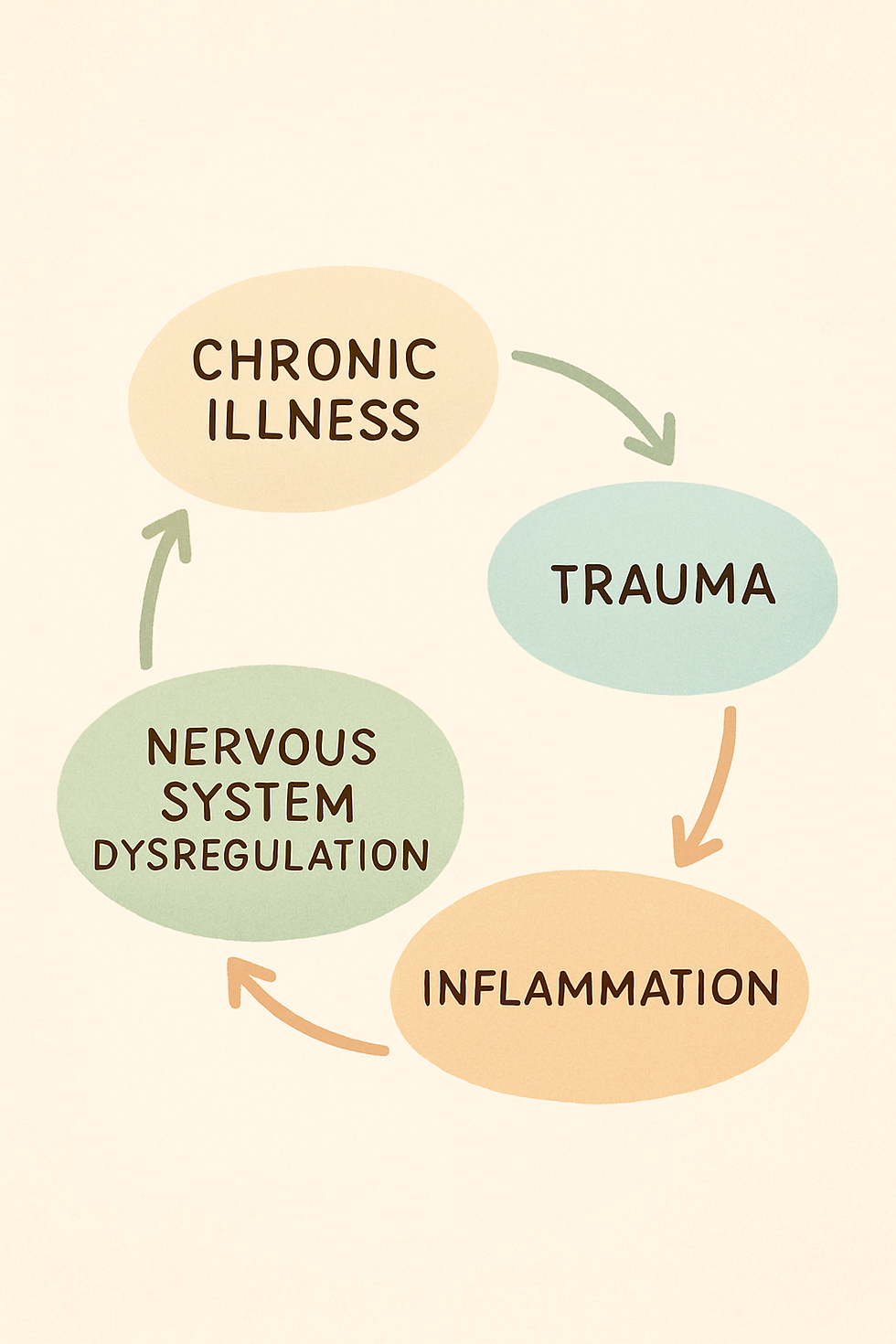
These experiences are common signs of trauma nervous system dysregulation, not personal flaws.
Why “Thinking Positive” Doesn’t Work for Trauma
Trauma responses originate below conscious thought. This is why affirmations, logic, or willpower often fail.
You cannot convince a nervous system into safety. Safety is something the body has to experience.
That’s where somatic work comes in.

3 Gentle Somatic Steps to Start Feeling Safe Today
These are not fixes. They are invitations. Small signals that help your nervous system recalibrate without overwhelm.
1. Orient to What’s Neutral, Not Positive
Slowly look around and name three neutral objects you can see. A chair. A wall. The floor.
Neutral cues are easier for a trauma nervous system to accept than “everything is fine.”
This helps rebuild trauma safety signals without triggering resistance.
2. Add Micro-Movement
Gently press your feet into the ground or shift your weight slightly while sitting.
Trauma often freezes the body. Small movements remind the nervous system that choice and agency exist now.
This supports thawing from nervous system freeze.
3. Track One Sensation That Feels Okay
Not good. Just okay.
Maybe warmth in your hands.Maybe the support of the chair behind you.
This trains the nervous system to notice safety without forcing it.
Healing Isn’t About Forcing Safety — It’s About Relearning It
If you still feel unsafe even when life looks calm, it doesn’t mean you’re failing at healing.
It means your nervous system is still learning that the present is different from the past.
With time, consistency, and the right support, the body can update its expectations. Safety becomes less fragile. Calm feels less suspicious.
Nothing is wrong with you.Your system adapted brilliantly to what it endured.
And it can learn again.
FAQ
Why do I feel unsafe for no reason?
Feeling unsafe without an obvious cause is often linked to trauma stored in the nervous system. The body may still be responding to past experiences rather than present conditions.
How does trauma affect the nervous system?
Trauma can keep the nervous system stuck in survival states like fight, flight, or freeze, making it difficult to register safety even during calm periods.
What is nervous system freeze?
Nervous system freeze is a dorsal vagal response where the body shuts down to conserve energy when danger feels overwhelming or inescapable. It can feel like numbness, fatigue, or disconnection.
Can polyvagal theory help with trauma healing?
Yes. Polyvagal trauma work focuses on rebuilding safety signals in the body, helping the nervous system move out of chronic survival mode and back toward connection and regulation.
How can I start feeling safe in my body again?
Gentle somatic practices, slow pacing, and trauma-informed support can help the nervous system relearn safety over time. Healing happens gradually, not through force.


Comments